
Choosing the best time to visit Dubrovnik
The best time to visit Dubrovnik depends on what you want to do. For a walking-focused visit, May or September offers lower average air temperatures than July and August in the DHMZ climate data. If a particular boat trip, kayak outing or cable car ride is central to your plans, its operating dates belong in the decision alongside temperature.
Start by choosing your main activity, then build the rest of the visit around it. The Old Town guide covers exploring on foot, while the boat tour overview separates island days, shorter cruises and speedboats. Allow room to rearrange outdoor plans. A pleasant monthly average helps compare seasons, but conditions on the day still determine how you use your time.
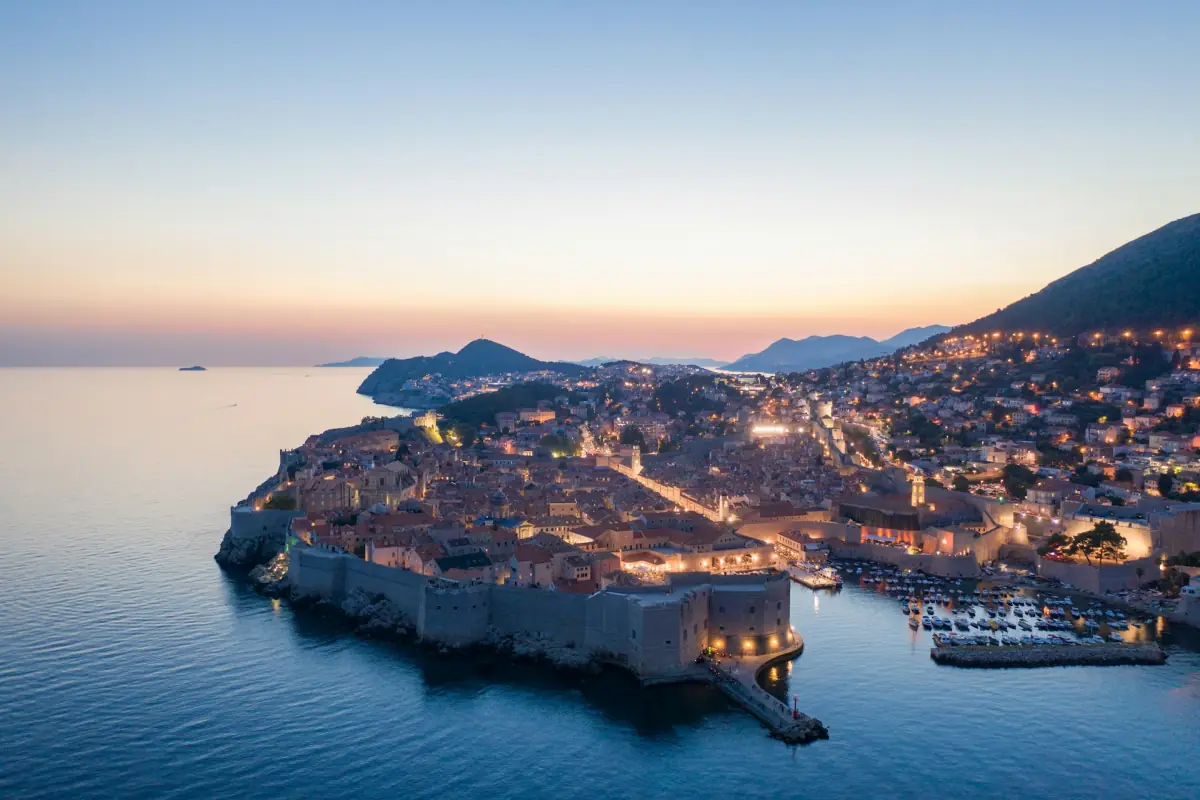
May and September compared with midsummer
The DHMZ web series for 1961 to 2024 gives a mean air temperature of 18.7°C in May and 21.9°C in September, compared with 25.3°C in July and 25.4°C in August. These are monthly air temperature means, useful for comparing walking conditions across seasons. They are different from daily maximum temperatures, sea temperatures or a forecast for a specific afternoon.
September has more average rainfall than July in that same series. Choosing it for lower mean air temperature therefore involves a different balance from choosing the driest month in the table. Keep rain protection in your bag and avoid making every outdoor activity depend on the same day. The weather page explains the separate data periods and gives the monthly figures without mixing them into a single climate table.
Our picks: Best Time To Visit
This guided kayak outing includes equipment and a glass of wine for time on the water.
Hand-picked tours, booked through Viator. Prices are indicative starting prices in euros (as of October 2026). Tap a tour for live availability and the current price in your currency.
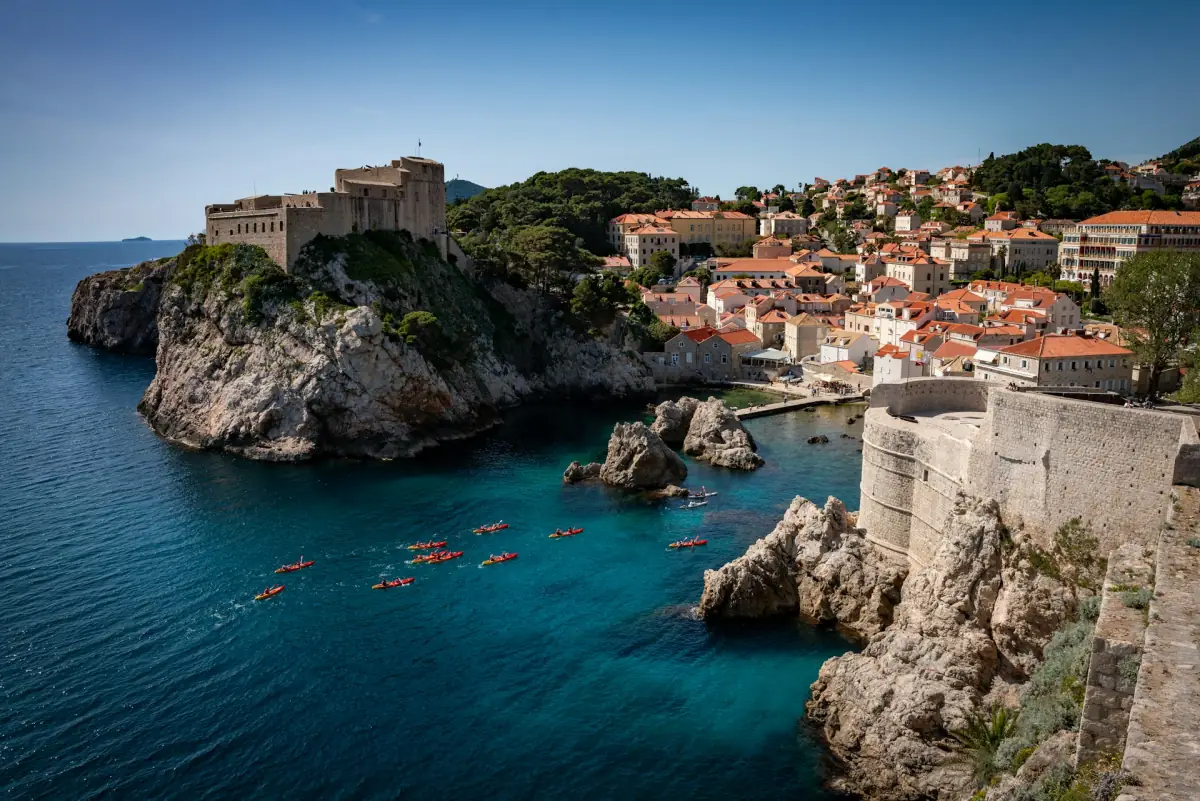
Add a sunset paddle to your dates
This guided kayak and snorkelling outing includes equipment, water and a glass of wine; choose an available date around the weather.
Boats and kayaking need their own calendar
A summer-like climate comparison is only part of a sea-based visit. The Elaphiti excursion programme described in the local facts runs from April to the end of October. The public passenger connection on line 807 has its own timetable, including a published period from 28 September to 31 December 2026. Use the Elaphiti guide to distinguish a guided day boat from a passenger sailing and to plan the return.
For an active evening, the sunset kayaking and snorkelling option here lasts three hours and meets at Brsalje 8 by the Pile local bus stop. It includes a professional guide, kayak equipment, snorkelling masks, a drybag or waterproof barrel, bottled water and a glass of wine. Plan around an available departure and suitable conditions; guides may alter water activities when weather requires it. Read the kayaking guide for the wider choice of paddling formats.
Winter city visits and the cable car calendar
Winter planning works better when you begin with the actual attractions you want to enter. The cable car's published monthly schedule closes in January, February, March and December. November has a scheduled opening window of 09:00 to 17:00, with the last departure from the lower station 30 minutes before closing. The maintenance dates are 10, 11 and 20 November 2026, individual days with the final listed date on 20 November.
Museums offer a different calendar. The winter notice issued on 29 October 2026 applies from 1 November: the Rector's Palace, Maritime Museum and Rupe Ethnographic Museum have 09:00 to 16:00 hours, with Monday, Wednesday and Tuesday closures respectively. Match your intended museum to the weekday rather than leaving every indoor visit to one spare day. The history guide connects those collections with the city, and the cable car page carries the detailed operating schedule. The winter notice effective from 1 November 2026 also lists closures on Christmas Day, New Year’s Day and Saint Blaise’s Day on 3 February. On 24 and 31 December, opening hours are 09:00 to 12:00.
Rain, equipment and longer excursions
For the walls, carry water, sun protection and suitable shoes, following the operator's visitor advice. For the rest of the visit, pack layers and rain protection that let you adapt between a walk, an indoor stop and an evening outside. Keep the weather-sensitive part of your plan flexible rather than reserving all your attention for the monthly temperature figure. Strong wind, thunderstorms or heavy rain can interrupt the cable car.
If you want to include a day across the border, choose the route before choosing a departure date. Mostar and Kravica are in Bosnia and Herzegovina; Kotor and Perast are in Montenegro. The described seasonal programmes run from April to the end of October, and entry requirements depend on nationality. Consult the relevant official travel advice for your documents. A border excursion belongs on a day with room for travel and changing border conditions, rather than being treated as a short extension of an Old Town walk.
Questions about your visit
Are May and September cooler than July and August?
Their monthly mean air temperatures are lower in the DHMZ 1961 to 2024 series. This compares seasons rather than predicting a particular day.
Does the cable car run all winter?
The published monthly schedule closes in January to March and December. November has separate hours and dated maintenance closures.
Can a climate table guarantee a kayak departure?
Choose a dated available outing and follow its weather arrangements. Monthly climate averages describe long periods, not the sea conditions at departure.